

Confessions of a new Grad Vet – 3 months in!
October 13, 2026
Confessions of a new grad vet – 3 months into my first job! It is crazy how quickly time has… Read more
Confessions of a New Graduate Vet: My first month in my first Vet Job
September 1, 2026
Here we catch up with our newly graduated vet and their first month in their first vet job. At Prospect… Read more
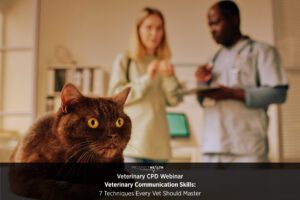
Veterinary CPD webinar – Veterinary Communication Skills: 7 Techniques Every Vet Should Master
September 1, 2026
When people think about what makes a great veterinary surgeon, they often think of clinical expertise, diagnostic ability, or surgical skill. Yet some of the most successful vets will tell you that one skill influences every aspect of their career more than any other: communication.
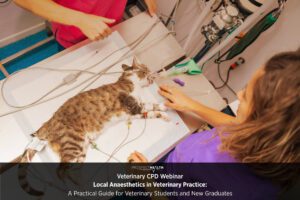
Veterinary CPD webinar – Local Anaesthetics in Veterinary Practice: A Practical Guide for Veterinary Students and New Graduates
September 1, 2026
Local anaesthetics are some of the most valuable, and underused tools in veterinary medicine. In this practical webinar, veterinary anaesthesia resident Dr Charlie Makepeace provides a clinically focused introduction to local anaesthetics, covering everything from basic pharmacology and toxicity to common nerve blocks and epidural techniques used in everyday practice.
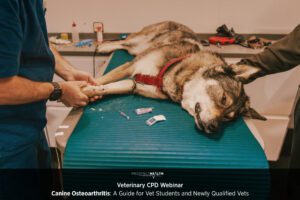
Veterinary CPD webinar – Canine Osteoarthritis
August 25, 2026
Canine osteoarthritis (OA), also known as degenerative joint disease, is one of the most common chronic conditions seen in veterinary practice. In this webinar, Dr. Sy Woon provides a clinically focused overview of OA, discussing its causes, diagnosis and multimodal management, while also highlighting the role of integrative therapies in improving patient comfort and quality of life.