
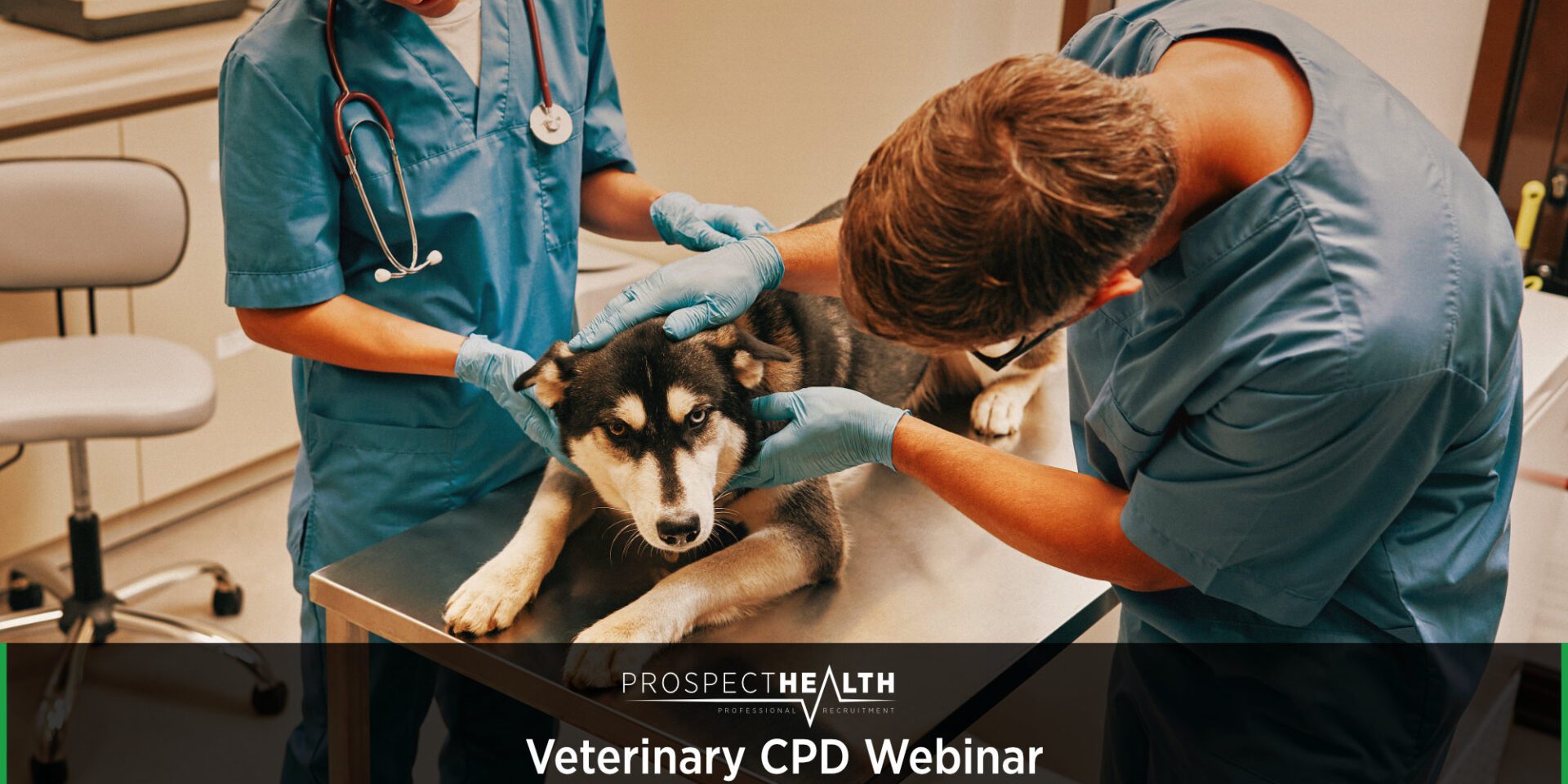
Access our Online Veterinary CPD learning portal for on-demand access to all our clinical and educational veterinary webinars.
May 26, 2026 | Vet Student | Veterinary
Veterinary CPD webinar
Key Takeaways from Dr Stephanie Mitze
Diabetes mellitus is a condition most vet students will come across during training, but its more serious complications can feel much harder to get to grips with.
In our latest webinar, Dr Stephanie Mitze explores diabetic ketoacidosis (DKA) and other forms of unregulated diabetes mellitus in dogs and cats, helping break down a complex topic into practical, clinically relevant themes.
To access all our pre-recorded webinars, you can now request access to our Veterinary CPD learning portal. Complete the form below, and our team will be in touch with your username and password to access the portal:
Access our pre-recorded Veterinary Webinars
Stay at the forefront of veterinary medicine with our comprehensive library of Veterinary CPD webinars.
Looking Beyond a Diabetes Diagnosis
One of the key messages in the webinar is that diabetes mellitus is not always as simple as it first appears.
While the diagnosis itself is often straightforward, understanding why a patient has diabetes — and why they may be poorly controlled- is just as important. Diabetes can be linked to insulin deficiency, insulin resistance, or a combination of both, and these differences can affect how patients respond to treatment.
For vet students, this is an important reminder that managing diabetes is about more than recognising the classic signs.
What Is Unregulated Diabetes?
The webinar also explains that unregulated diabetes is a broad term. It can apply to newly diagnosed patients, but also to animals already receiving insulin who still have ongoing clinical signs or complications.
Poor diabetic control may be linked to:
- insulin issues
- underlying disease
- concurrent medication
- inflammation or infection
- ongoing insulin resistance
This part of the webinar is especially useful for understanding why some diabetic patients become unstable, even when treatment has already started.
Understanding DKA
A major focus of the session is diabetic ketoacidosis, one of the most serious complications of diabetes mellitus.
The webinar explains how DKA develops when there is not enough effective insulin, meaning glucose cannot be used properly by the body’s cells. As a result, the body turns to alternative energy sources, producing ketones and leading to metabolic acidosis, dehydration and significant electrolyte imbalance.
The key takeaway is that DKA is not just a problem of high blood glucose. It is a much wider metabolic emergency.
A Practical Approach to Diagnosis
Another strong theme throughout the webinar is the importance of a thorough, structured diagnostic approach.
Stephanie highlights the need to look beyond hyperglycaemia and ask:
- Are ketones present?
- Is there acidosis?
- Are electrolytes affected?
- Is there another underlying condition making the diabetes worse?
This is a helpful framework for vet students, particularly when approaching emergency or internal medicine cases where several problems may be happening at once.
Why Treatment Must Be Slow and Careful
One of the most valuable points in the webinar is the emphasis on patience.
In diabetic emergencies, rapid correction can be dangerous. Careful fluid therapy, electrolyte support and close monitoring are all essential, and treatment needs to be gradual.
The session makes it clear that successful management is not just about giving insulin. Supportive care and stabilisation are equally important.
Why This Webinar Is Worth Watching
This webinar is a useful learning resource for vet students because it takes a difficult topic and makes it more approachable. It explains not only what DKA is, but also why these patients can deteriorate, what you should be looking for, and how to think through management logically.
If you want to feel more confident with:
- unregulated diabetes
- diabetic ketoacidosis
- underlying causes of diabetic instability
- practical diagnostic thinking
then this webinar is well worth watching.
Download the Full Webinar
This summary only covers the main themes of the session.
To explore the topic in more detail and build your confidence in recognising and understanding diabetic emergencies in practice, download the full webinar and watch it in your own time.

If you’re looking to move roles after graduation or if you’re looking for a role once you graduate our team can help.
You can call us on 01423 813453 or email us at [email protected]
View all our Veterinary Jobs
Next Up: Veterinary CPD webinar
Hypothyroidism in Dogs and Cats
Hypothyroidism is one of the most commonly encountered endocrine disorders in dogs and cats, but despite its familiarity, it’s often misunderstood and misdiagnosed.
This blog is based on our webinar with Dr Stephanie Mitze, where she breaks down the realities of diagnosing and managing hypothyroidism in both dogs and cats, highlighting why it’s rarely as simple as a low T4 result.

Talk to a specialist
Chris Ellerker
Divisional Director – Dentistry and Locum Vet Divisions
I have over 12 years of recruitment experience, working my way up from Candidate Resourcer, Recruitment Consultant, Business Manager, to Divisional Director. I manage/run our Dentistry and Locum Vet teams here at Prospect Health. I thoroughly enjoy finding candidates a rewarding position that meets their expectations and supporting them through the process of registration/compliance (the fun bit), as well as throughout their placement/booking…
May 26, 2026 | Vet Student | Veterinary