
Access our Online Veterinary CPD learning portal for on-demand access to all our clinical and educational veterinary webinars.
August 18, 2026 | Vet Student | Veterinary
Veterinary CPD webinar
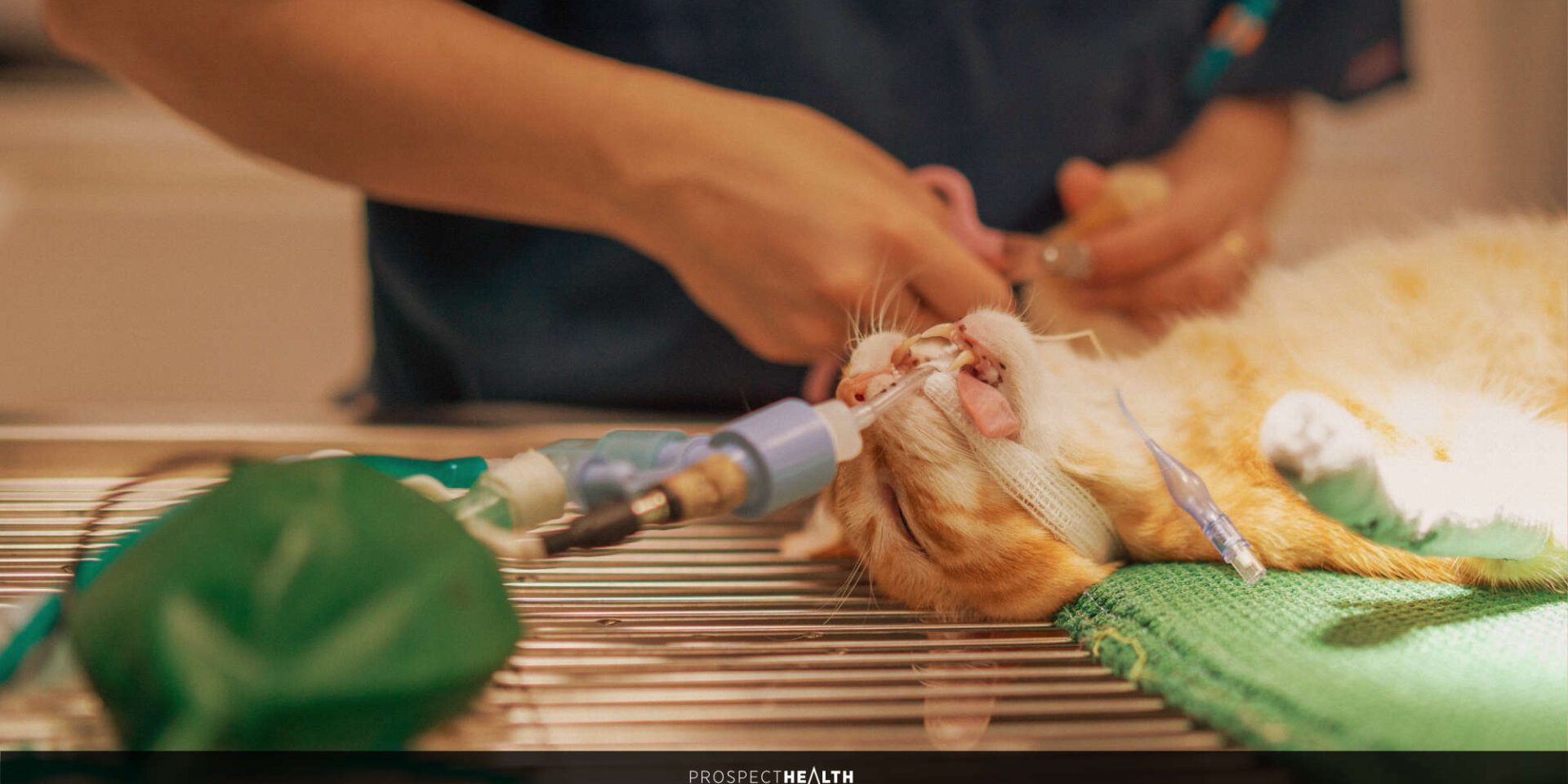
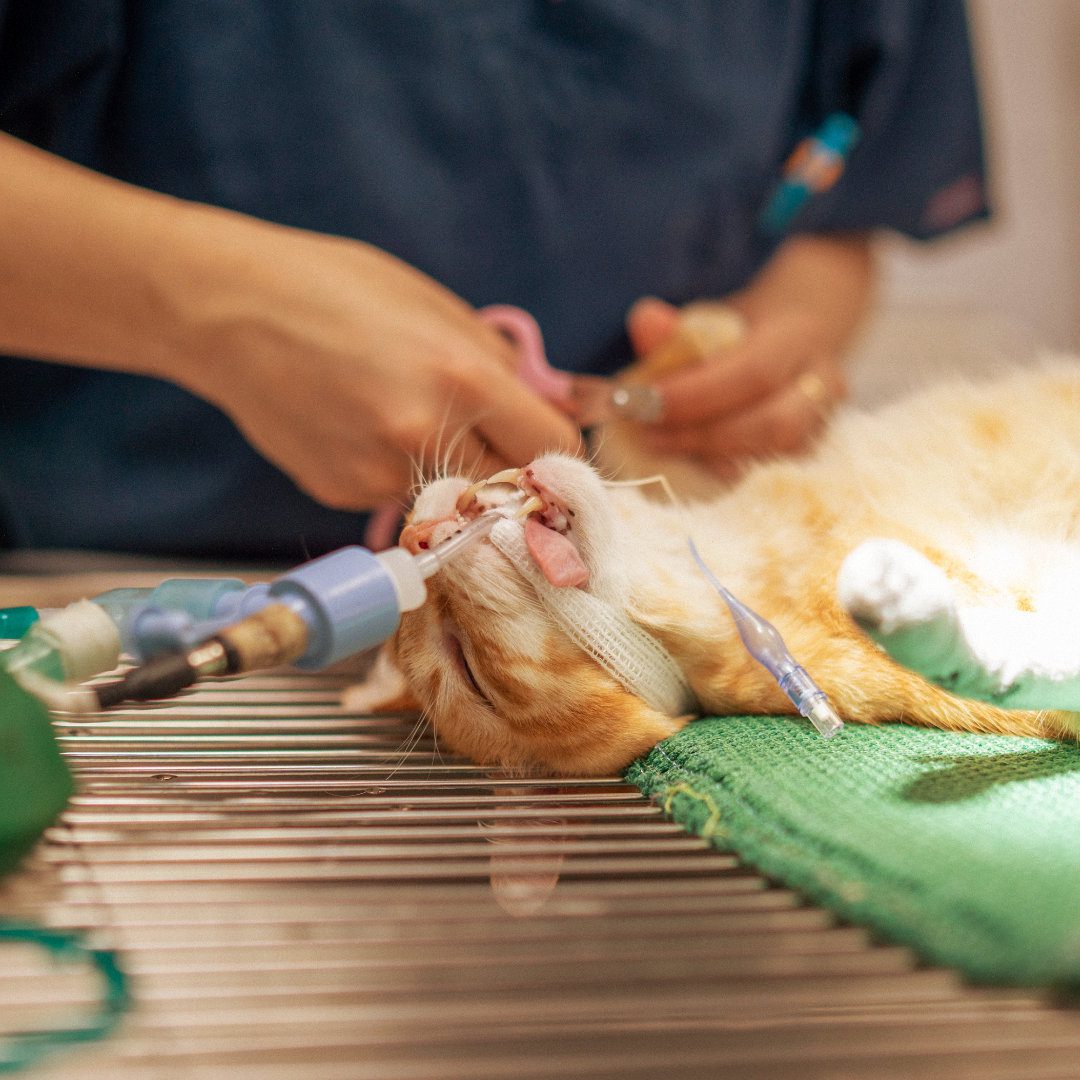
Monitoring General Anaesthesia: A Must-Know for Vet Students & New Grads
Monitoring general anaesthesia can feel overwhelming as a vet student or new grad. There are numbers, machines, trends and a lot of pressure to get it right.
In this webinar, Dr Charlie Makepeace, EBVS European Specialist in Veterinary Anaesthesia, breaks it all down into practical, usable concepts that will help both in exams and in real-life practice.
This blog gives you a quick overview of the essentials, but it’s well worth watching the full session to really build confidence.
To access all our pre-recorded webinars, you can now request access to our Veterinary CPD learning portal. Complete the form below, and our team will be in touch with your username and password to access the portal:
Access our pre-recorded Veterinary Webinars
Stay at the forefront of veterinary medicine with our comprehensive library of Veterinary CPD webinars.
Why Monitoring Matters
At its core, monitoring answers one critical question:
“Is my patient alive?”
Everything else builds from there.
Good monitoring helps you:
- Assess anaesthetic depth
- Identify physiological changes early
- Respond quickly to complications
- Reduce stress during procedures
It’s not just an exam topic, it’s something you’ll rely on every single day in practice.
Start Simple: Hands-On Monitoring
Before the machines, there’s your clinical exam.
Key basics include:
- Pulse palpation → confirms life, tracks trends
- Heart rate & auscultation → useful, but non-specific alone
- Respiratory rate → one of the best indicators of depth
- Eye position & reflexes → still one of the most reliable ways to assess anaesthetic depth
Takeaway: Don’t underestimate these “old school” skills, they’re still essential.
Capnography: The One You Can’t Ignore
If there’s one monitor to understand well, it’s capnography.
It measures end-tidal CO₂ and gives insight into:
- Respiratory function
- Cardiovascular output
- Metabolic activity
It’s often considered the most valuable single monitoring tool.
Key points:
- Normal ETCO₂: 35–45 mmHg
- Acceptable under GA: up to ~60 mmHg
- Sudden changes = act quickly
Pulse Oximetry: Oxygen Matters
Pulse oximetry measures oxygen saturation (SpO₂).
- Aim for >95%
- <90% = intervene immediately
Be cautious:
- Needs a good pulse to be accurate
- Can be affected by movement, light, and vasoconstriction
ECG: Not the Full Picture
ECG is great for:
- Heart rate and rhythm
But remember:
It shows electrical activity only, not mechanical function
So it does not confirm effective circulation on its own.
Blood Pressure: Think Mean, Not Just Numbers
Blood pressure helps maintain organ perfusion but it’s not the same as perfusion itself.
- Aim for MAP ≥ 60 mmHg (often higher depending on patient)
- Low pressures = risk of poor organ perfusion, especially kidneys
Different methods:
- Doppler
- Oscillometric
- Invasive (gold standard)
Trends > Single Readings
One of the biggest takeaways from the webinar:
Trends matter more than single values
A gradual change in heart rate, CO₂, or blood pressure can be more important than one abnormal reading.
That’s why manual monitoring sheets are still used—they help you spot patterns you might otherwise miss.
Why This Matters for You
Monitoring anaesthesia isn’t just about passing exams like the NAVLE—it’s about:
- Keeping patients safe
- Making confident clinical decisions
- Reducing stress in surgery
It’s a skill that develops with time—but understanding the principles early gives you a huge advantage.
Watch the Full Webinar
This blog is just a snapshot. The full webinar covers:
- How each monitor works
- What values actually mean
- Real-life clinical decision-making
Register on our portal to watch the full webinar in your own time and build real confidence in anaesthesia monitoring.
If you’re looking to move roles after graduation or if you’re looking for a role once you graduate our team can help.
You can call us on 01423 813453 or email us at [email protected]
View all our Veterinary Jobs

Next Up: Veterinary CPD webinar
Diabetic Ketoacidosis in Dogs and Cats: Key Learning for Vet Students
Diabetes mellitus is a condition most vet students will come across during training, but its more serious complications can feel much harder to get to grips with.
In our latest webinar, Dr Stephanie Mitze explores diabetic ketoacidosis (DKA) and other forms of unregulated diabetes mellitus in dogs and cats, helping break down a complex topic into practical, clinically relevant themes.

Talk to a specialist
Chris Ellerker
Divisional Director – Dentistry and Locum Vet Divisions
I have over 12 years of recruitment experience, working my way up from Candidate Resourcer, Recruitment Consultant, Business Manager, to Divisional Director. I manage/run our Dentistry and Locum Vet teams here at Prospect Health. I thoroughly enjoy finding candidates a rewarding position that meets their expectations and supporting them through the process of registration/compliance (the fun bit), as well as throughout their placement/booking…
August 18, 2026 | Vet Student | Veterinary