
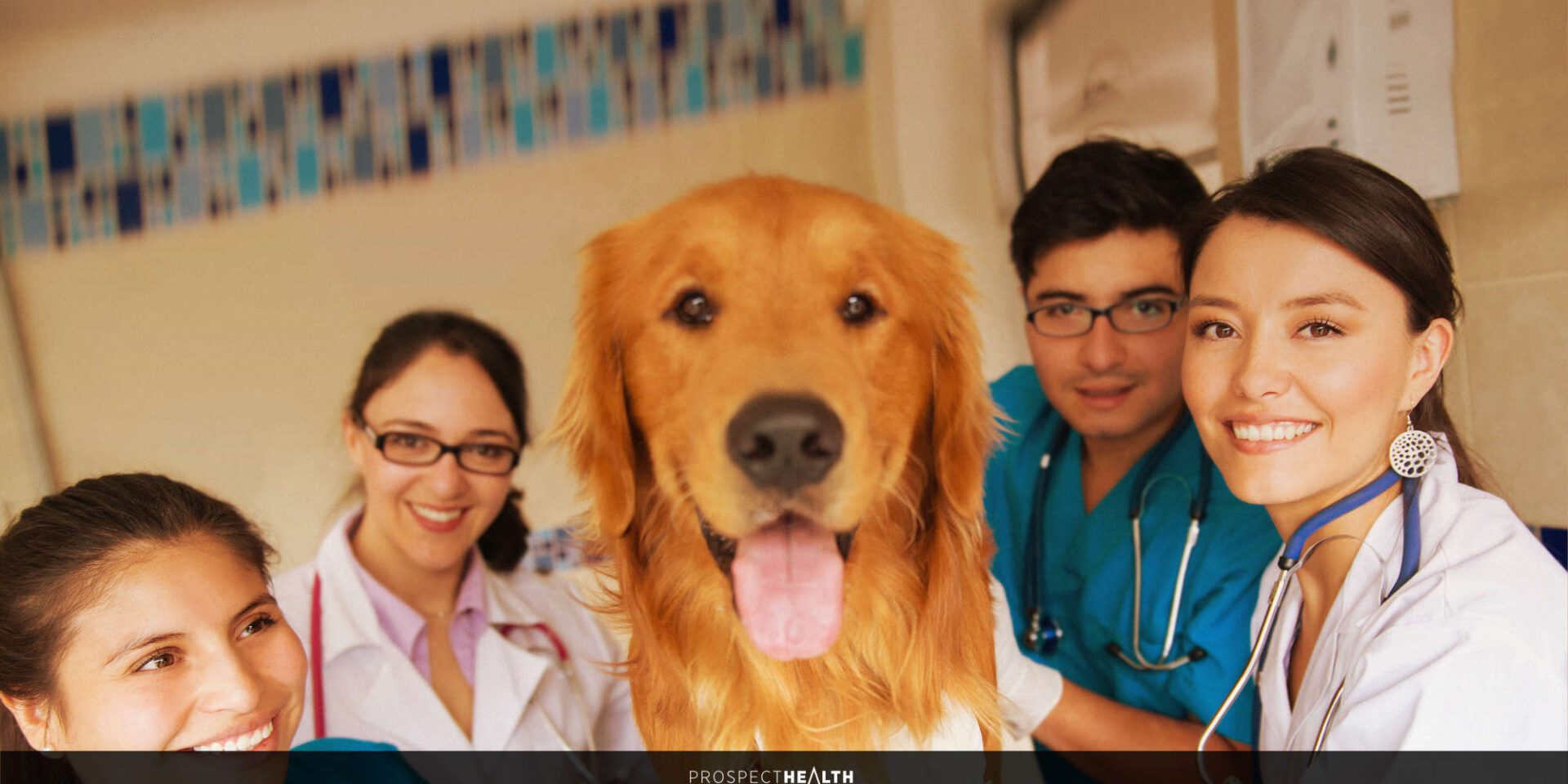
August 19, 2026 | Vet Student | Veterinary
You’ve got the results, secured your place at vet school, and now the countdown to university can really begin!
Alongside sorting accommodation, meeting future course mates and working out what to take with you, there’s another question you might be asking:
What equipment do I actually need for vet school?
To help, we asked Lianne, a final-year Veterinary Medicine student at the University of Edinburgh, to talk us through some of the equipment she has found most useful during her degree.
From the obvious stethoscope to a few inexpensive items you might not have thought about, here’s Lianne’s vet school kit list.
Remember that every veterinary school has its own requirements, so always check the equipment list provided by your university before buying anything.
1. A good stethoscope
It probably won’t come as a surprise that a stethoscope is on the list!
You’ll use a stethoscope throughout your veterinary training for clinical examinations and practical sessions, and eventually on EMS placements and clinical rotations.
Lianne chose an all-black stethoscope and opted to have her name engraved on it. With lots of students potentially owning similar models, having your name on yours can make it much easier to identify.
She also invested in a small protective case to keep it safe when travelling between practicals, placements and university.
Lianne’s tip: If you’re investing in a good-quality stethoscope that you hope to keep for years, consider having it engraved with your name.

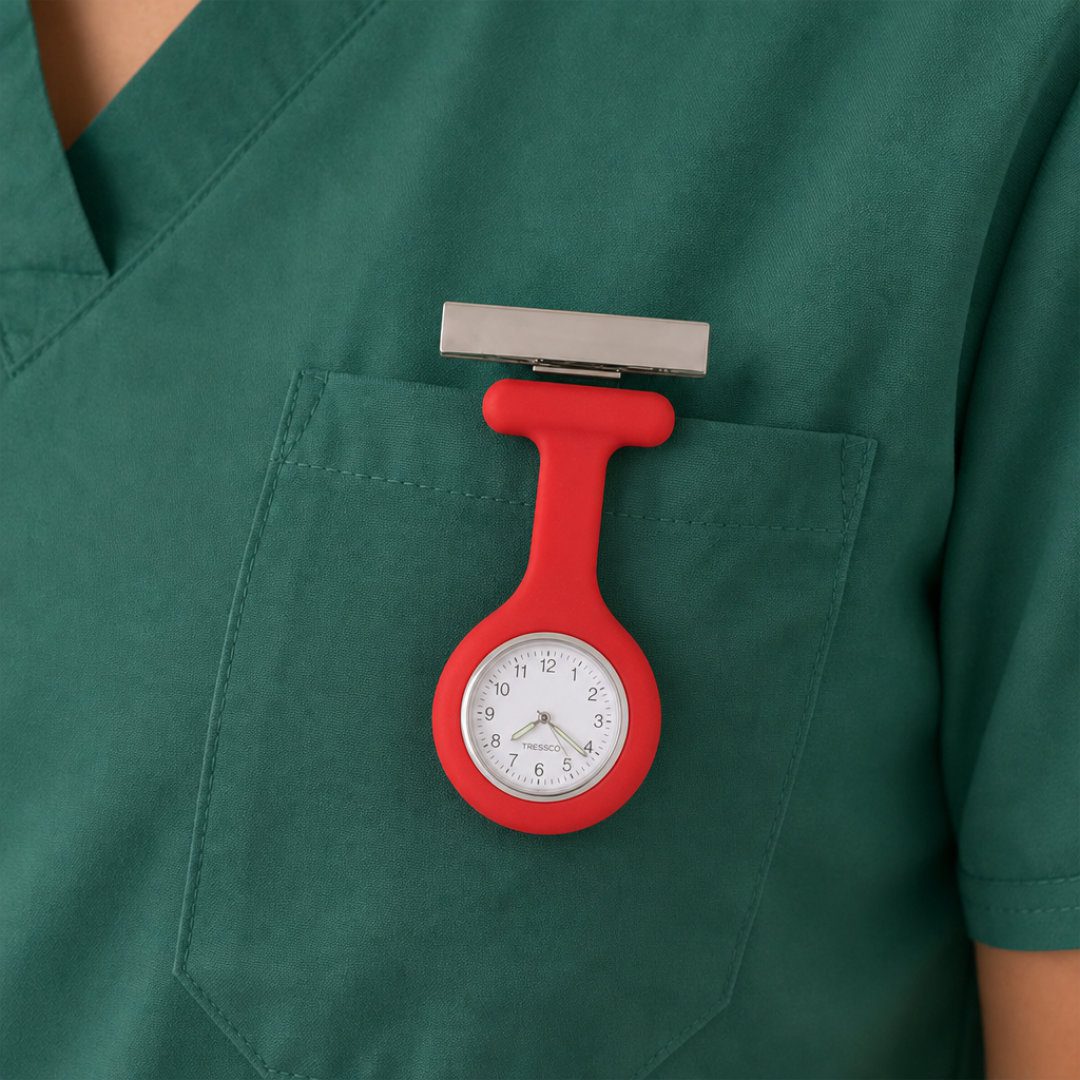
2. A fob watch
A simple fob watch is another useful addition to your vet school kit.
It can be used when monitoring things such as heart and respiratory rates and is particularly useful in clinical environments where wearing a wristwatch may not be appropriate.
Lianne picked hers up relatively cheaply online and says it becomes especially useful as you progress through the degree and start preparing for practical clinical assessments such as OSCEs.
It’s a small investment that can stay with you throughout vet school.
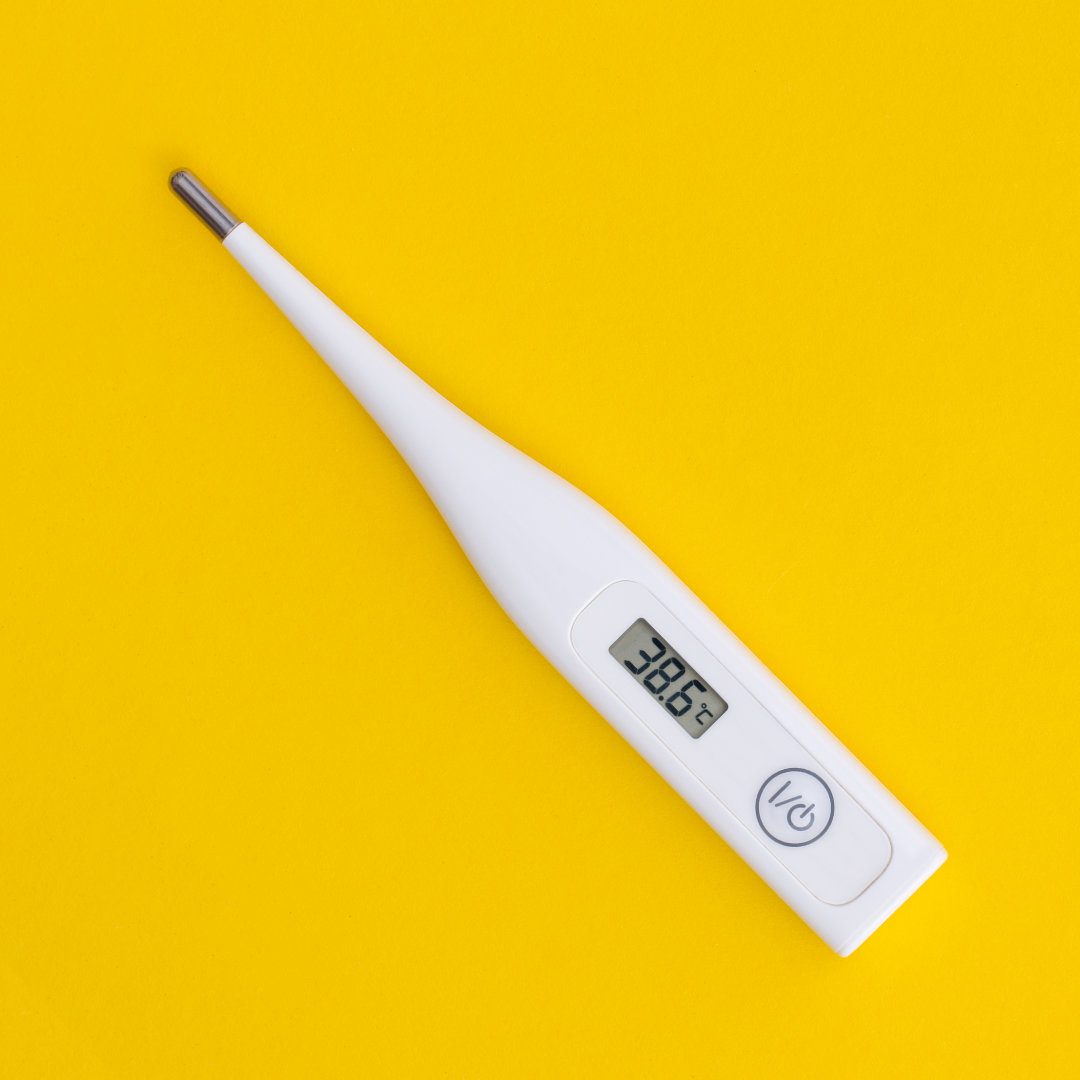
3. Digital thermometer
A digital thermometer is another piece of kit worth having ready for practical work and placements.
Taking an animal’s temperature is one of the fundamental parts of a clinical examination, so becoming comfortable and confident using a thermometer is an important practical skill.
It’s also small enough to keep in your placement bag alongside your other everyday clinical equipment.
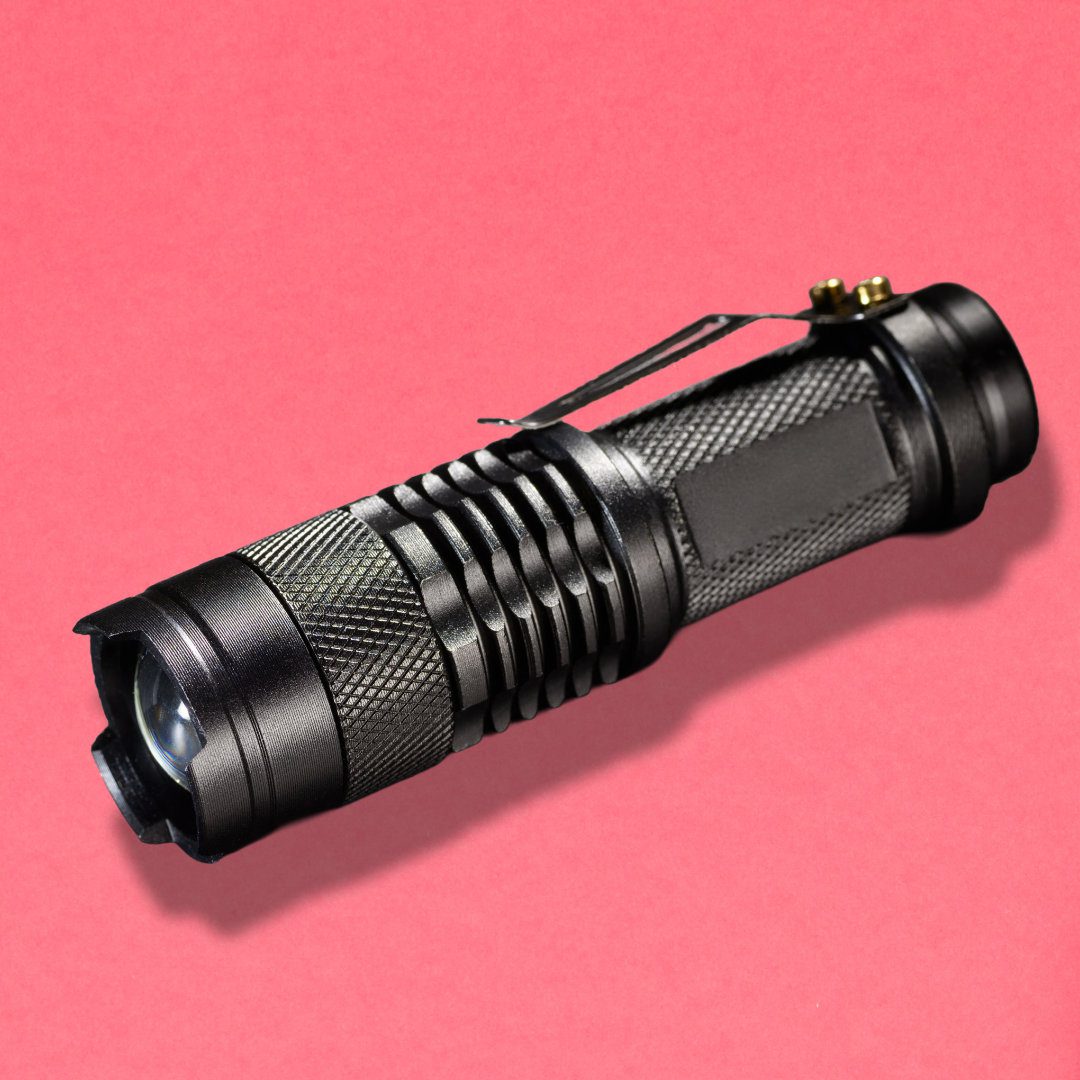
4. Pen torch
Another inexpensive but incredibly handy piece of equipment is a pen torch.
A pen torch can be useful during clinical examinations and is easy to keep in your pocket or bag when you’re on placement.
It’s one of those relatively simple pieces of equipment that you may find yourself reaching for surprisingly often as your clinical training progresses.
5. A case or bag for your clinical equipment
Once you start collecting equipment, it’s worth having somewhere safe to keep everything together.
A small case or dedicated section of your placement bag can help protect your equipment and, importantly, reduce the chances of leaving something behind.
Keeping your kit organised becomes particularly useful once you start moving between lectures, practical sessions, EMS placements and clinical rotations.
Do you need to buy everything before starting vet school?
Not necessarily.
Different UK vet schools introduce equipment at different stages of their courses, and some items may be provided, available to borrow or recommended for purchase later.
Your university should send you information about any compulsory equipment and protective clothing you need before you arrive.
So before spending a small fortune on equipment, check your university’s own list first.
Some courses may require additional items such as:
- Lab coats
- Boiler suits
- Waterproof clothing
- Scrubs
- Steel toe-capped boots or wellingtons
- Dissection equipment
- Protective clothing
- Scissors
- Notebooks and pens
The requirements can also change as you progress through your degree and begin EMS placements and clinical rotations.
Don’t feel you need the most expensive kit
Starting university is already expensive, and veterinary equipment can quickly add to the bill.
You don’t necessarily need to buy the most expensive version of every item.
Think about which pieces of equipment you’ll use throughout your degree and potentially into your first veterinary job, and where it might be worth investing in quality.
For other items, a relatively inexpensive option may do the job perfectly well.
And don’t forget to label your equipment. When a whole year group has very similar-looking kit, you’ll be glad you did!
Starting vet school? Enjoy it!
Getting a place at vet school is a huge achievement, and the weeks before you start are an exciting time.
There will be plenty to learn over the coming years, but you don’t need to arrive on your first day with every piece of veterinary equipment you might ever use.
Start with the essentials recommended by your university and build your clinical kit as you progress through the course.
Most importantly, enjoy the experience ahead.
Watch Lianne's Vet School Equipment Vlog
Want to see the equipment Lianne recommends and hear why she has found each item useful?
Watch Lianne’s video as she talks through her vet school essentials and shares her tips from her own experience studying Veterinary Medicine at Edinburgh.

More support for veterinary students from Prospect Health
At Prospect Health, we work with veterinary students throughout their university journey and as they make the transition from vet school into their first Veterinary Surgeon role.
Our free veterinary student resources include CPD webinars, clinical learning, career advice, CV and interview guidance and insights from students and recently qualified vets.
Explore our Veterinary Student Hub and register for free access to our veterinary CPD resources to support your journey from vet school to your first veterinary job.


Talk to a specialist
Chris Ellerker
Divisional Director – Veterinary
I have over 12 years of recruitment experience, working my way up from Candidate Resourcer, Recruitment Consultant, Business Manager, to Divisional Director. I manage/run our Dentistry and Locum Vet teams here at Prospect Health. I thoroughly enjoy finding candidates a rewarding position that meets their expectations and supporting them through the process of registration/compliance (the fun bit), as well as throughout their placement/booking…
August 19, 2026 | Vet Student | Veterinary