

Access our Online Veterinary CPD learning portal for on-demand access to all our clinical and educational veterinary webinars.
August 25, 2026 | Vet Student | Veterinary
Veterinary CPD webinar
Spectrum of Care: A Practical Approach for Vet Students and Newly Qualified Vets
For vet students and newly qualified vets, few things feel more daunting than navigating cases where the “ideal” treatment plan simply is not possible. Financial barriers, client circumstances, patient stability, practice resources and emotional decision-making all shape what care looks like in the real world.
In this CPD webinar, Dr Kate Boatwright explores the concept of spectrum-of-care: a practical, compassionate and evidence-based approach to offering a range of appropriate options for patients and their owners.
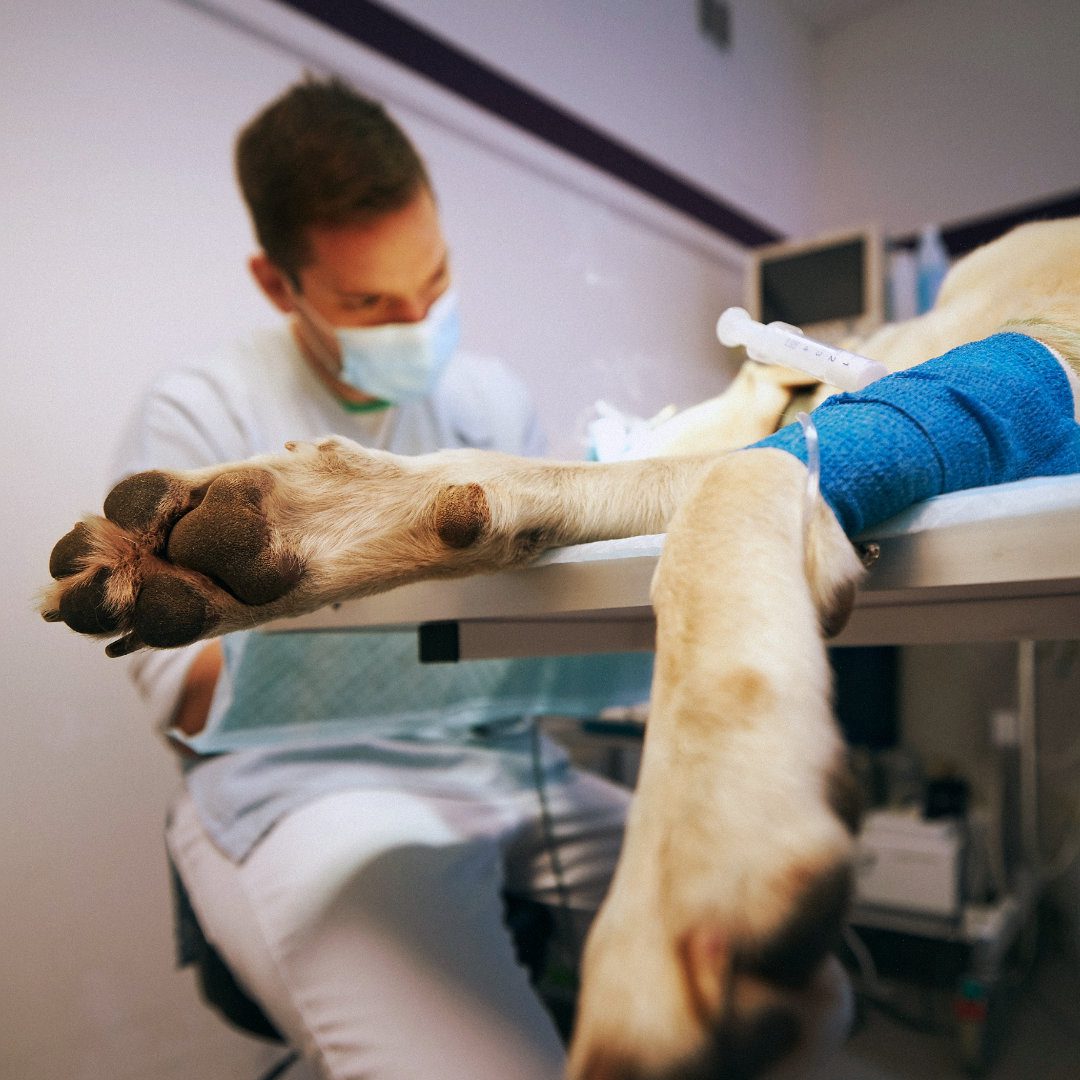
To access all our pre-recorded webinars, you can now request access to our Veterinary CPD learning portal. Complete the form below, and our team will be in touch with your username and password to access the portal:
Access our pre-recorded Veterinary Webinars
Stay at the forefront of veterinary medicine with our comprehensive library of Veterinary CPD webinars.
What is spectrum of care?
Spectrum of care recognises that there is not always one single “right” plan. Instead, care exists on a continuum.
At one end may be gold-standard diagnostics and treatment. At the other may be palliative care, symptomatic treatment or, in some cases, euthanasia. Between those points sits a wide range of acceptable, ethical and patient-centred options.
The key is to tailor recommendations to the individual case while considering:
- the patient’s welfare and comfort
- the client’s finances, lifestyle and expectations
- the resources available in the practice
- the evidence base for different diagnostic and treatment options
- clear communication and careful documentation
Gold standard is not always the same as standard of care
One of the most important takeaways from the webinar is that “gold standard” and “standard of care” are not the same thing.
Gold standard care may involve the most advanced diagnostics, referral pathways or treatment options available. But standard of care is shaped by what a reasonable practitioner would do in a given context. That context matters.
For new vets, this distinction can be reassuring. Offering an alternative plan does not mean offering poor care. When done thoughtfully, spectrum of care can improve access, reduce unnecessary euthanasia and support both patient welfare and client trust.
Incremental care: taking things step by step
Dr Boatwright also discusses incremental care, a stepwise approach where treatment and diagnostics are prioritised according to the patient’s needs and the client’s resources.
For example, a vomiting patient may not always need every diagnostic test immediately. Depending on stability and clinical findings, it may be appropriate to start with the most useful test, symptomatic treatment or a planned recheck.
This approach relies on strong clinical reasoning. It asks vets to consider:
- What are my top differentials?
- Will this test change my treatment plan?
- Is there a lower-cost way to gain useful information?
- Is this patient stable enough for the option being considered?
- What do we need to do now, and what can wait?
Communication is central
Spectrum of care is not simply about reducing costs. It is about shared decision-making.
Clients need to understand what each option means, including the benefits, risks, likely outcomes and costs. This includes explaining what may happen if they decline a recommendation.
Useful questions highlighted in the webinar include:
- “What is your budget today?”
- “What are your goals for today’s visit?”
- “If this plan doesn’t work, are you able to come back for the next step?”
These questions help avoid spending a client’s entire budget on diagnostics with nothing left for treatment. They also help clients feel involved rather than judged.
Gold standard is not always the same as standard of care.
Protecting yourself and your patient
For newly qualified vets, one of the biggest worries is whether offering a non-gold-standard option could create risk. Dr Boatwright emphasises that communication and documentation are vital.
Good practice includes documenting:
- all options offered
- what the client accepted or declined
- risks discussed
- estimates provided
- follow-up recommendations
- safety-netting advice
In more serious cases, signed estimates, declined-treatment notes or against-medical-advice forms may be appropriate.
Why this matters for new vets
Many new graduates leave vet school feeling pressure to offer the most complete plan every time. But real-life practice requires flexibility, empathy and confidence.
Spectrum of care helps vets provide realistic options without compromising compassion or professionalism. It also supports wellbeing by reducing the moral stress that can come from feeling there are only two choices: gold-standard care or euthanasia.
For students and new grads, learning how to practise this way can make clinical decision-making feel more manageable and more humane.
Watch the full webinar
This blog only scratches the surface of Dr Boatwright’s discussion, which includes practical case examples such as feline urethral obstruction, urinary tract disease, financial conversations and how to work effectively with your wider practice team.
Vet students and newly qualified vets can watch the full recorded webinar on our CPD webinar portal to explore these ideas in more depth and build confidence in navigating real-world clinical decisions.
Register on our portal to watch the full webinar in your own time.

If you’re looking to move roles after graduation or if you’re looking for a role once you graduate our team can help.
You can call us on 01423 813453 or email us at [email protected]
View all our Veterinary Jobs

Next Up: Veterinary CPD webinar
Monitoring General Anaesthesia: What You Actually Need to Know
Monitoring general anaesthesia can feel overwhelming as a vet student or new grad. There are numbers, machines, trends and a lot of pressure to get it right.
In this webinar, Dr Charlie Makepeace, EBVS European Specialist in Veterinary Anaesthesia, breaks it all down into practical, usable concepts that will help both in exams and in real-life practice.
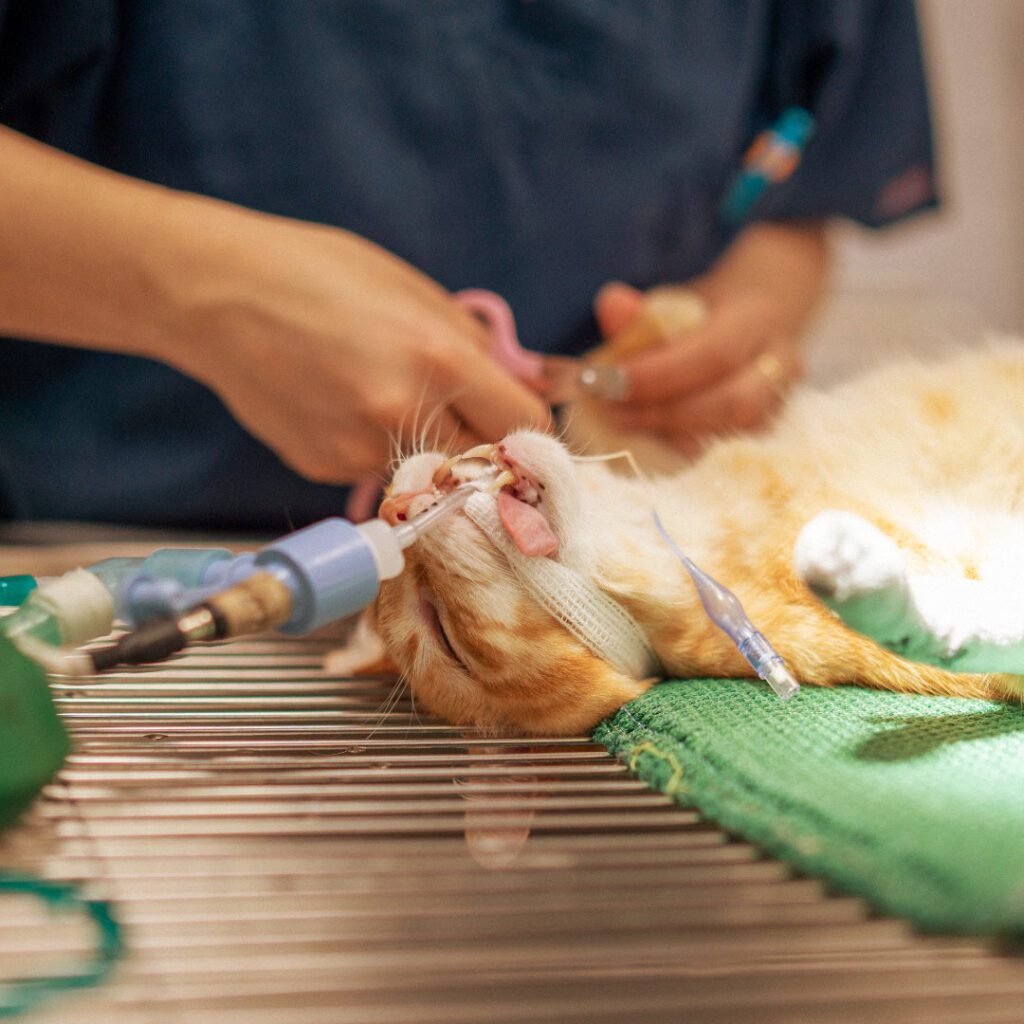

Talk to a specialist
Chris Ellerker
Divisional Director – Veterinary Division
I have over 12 years of recruitment experience, working my way up from Candidate Resourcer, Recruitment Consultant, Business Manager, to Divisional Director. I manage/run our Dentistry and Locum Vet teams here at Prospect Health. I thoroughly enjoy finding candidates a rewarding position that meets their expectations and supporting them through the process of registration/compliance (the fun bit), as well as throughout their placement/booking…
August 25, 2026 | Vet Student | Veterinary