

Access our Online Veterinary CPD learning portal for on-demand access to all our clinical and educational veterinary webinars.
November 10, 2026 | Vet Student | Veterinary
Veterinary CPD webinar
Key Takeaways from Ruth Down’s Webinar on Financial Planning for New-Graduate Vets.
Graduating from Vet school and starting your first veterinary job is an exciting milestone. After years of studying, placements and practical experience, you’re finally earning a salary and beginning your professional career.
But with your first payslip comes a new set of financial responsibilities. From managing rent and household bills to saving for your future, understanding how to make the most of your money can feel overwhelming.
To help newly qualified vets build strong financial foundations, Prospect Health recently welcomed Ruth Downs, Independent Financial Adviser and founder of Truth Financial, for a webinar exploring how to manage your finances when starting your veterinary career.

Watch Our Financial Planning Webinar for New Graduate Vets
If you’d like to explore these topics in more detail, watch our webinar featuring Ruth Downs from Truth Financial, where she explains financial planning for newly qualified vets, including budgeting, insurance, savings, investments and pensions.
To access all our pre-recorded webinars, you can now request access to our Veterinary CPD learning portal. Complete the form below, and our team will be in touch with your username and password to access the portal:
Access our pre-recorded Veterinary Webinars
Stay at the forefront of veterinary medicine with our comprehensive library of Veterinary CPD webinars.
Top 10 Financial Tips for New Graduate Vets
Drawing on her experience of working with hundreds of veterinary professionals, Ruth shared practical advice on budgeting, saving, financial protection, investing and planning for retirement.
Here are her top 10 financial tips for new graduate vets to help you make confident decisions about your money from the beginning of your career.
1. Understand Your Finances Before You Start Spending
One of the most important things you can do when receiving your first veterinary salary is to understand exactly where your money is going.
Start by creating a monthly budget that breaks your spending into two categories:
- Essential expenditure: Rent, mortgage payments, utilities, council tax, food, transport and other necessary living costs.
- Discretionary expenditure: Eating out, takeaways, shopping, entertainment, subscriptions and other non-essential spending.
Once you know your monthly income and outgoings, you can calculate how much disposable income you have available for savings and other financial goals.
This is particularly important if you’re relocating for your first veterinary job and managing household expenses independently for the first time.
Ruth's tip: Review your budget regularly. Your circumstances and expenses will change throughout your career, so keeping track of your finances helps you stay in control.
2. Build an Emergency Fund
Before focusing on investments or longer-term savings, Ruth recommends building an emergency fund.
An emergency fund is money you can access quickly if something unexpected happens, such as your car breaking down, an urgent home repair or an unexpected personal expense.
As a starting point, Ruth suggests aiming for approximately three months’ worth of total household expenditure, although the right amount will depend on your circumstances.
For example, if your monthly expenditure is £1,500, you could aim to build an emergency fund of £4,500.
That might seem like a significant amount when you’re just starting your veterinary career, but you don’t need to save it all at once.
Start with a manageable target of £500, gradually build towards £1,000 and continue adding to your fund each month.
Keeping this money in an easy-access savings account means it’s available when you need it.
Ruth's tip: Build your emergency fund before committing money to longer-term investments. Having a financial safety net can provide reassurance when unexpected expenses arise.
3. Consider Income Protection Insurance
As a veterinary professional, your ability to work is one of your most valuable financial assets.
But what would happen if an illness or injury prevented you from working for several months?
Income protection insurance is designed to replace a proportion of your income if you’re unable to work due to illness or injury, subject to the policy’s terms.
For newly qualified vets, this is particularly worth considering given the physical demands of veterinary practice.
Income protection policies can be tailored to your circumstances, including how long you would need to be off work before payments begin.
For example, if you have three months’ worth of expenses saved in an emergency fund, you might consider a policy with a three-month deferred period. This could help reduce your monthly premiums.
Taking out suitable cover earlier in your career may also mean lower premiums, depending on your health, occupation and the policy selected.
Ruth's tip: Don't assume your employer will provide sufficient sick pay or financial protection. Check your employment benefits and explore whether additional cover would be appropriate.
4. Understand the Different Types of Financial Protection
Income protection is just one of several insurance products designed to provide financial security.
Ruth highlighted three other types of cover that newly qualified vets may want to understand:
- Life insurance: Typically pays a lump sum if you die during the policy term, helping provide financial support for loved ones or cover outstanding debts such as a mortgage.
- Critical illness cover: Pays a lump sum if you’re diagnosed with a specified serious medical condition that meets the policy’s definition.
Private medical insurance: Can provide access to private healthcare, including consultations, diagnostic tests and treatment, depending on the level of cover.
Not every newly qualified vet will need all these policies. Your priorities will depend on your circumstances, including whether you have dependants, financial commitments or existing benefits through your employer.
Ruth's tip: Before purchasing insurance, speak to a qualified adviser who can explain your options and help you understand what is and isn't covered.
5. Set Clear Savings Goals for Your Future
Saving becomes much easier when you know what you’re working towards.
Whether you’re planning to buy your first home, travel abroad, complete additional veterinary qualifications or simply build financial independence, having specific goals can help you stay motivated.
Ruth recommends creating separate savings pots for different objectives.
For example, you might have one account for holidays, another for a house deposit and another for further professional development.
The length of time before you’ll need the money should influence where you save it.
Money required in the next few years may be better suited to an accessible savings account, while longer-term goals may allow you to explore investment options.
Ruth's tip: Write down what you want to achieve over the next one, five and ten years. Assign a savings target to each goal and work out how much you need to put aside each month.
6. Start Saving Small Amounts and Build Good Habits
You don’t need a large salary or thousands of pounds in the bank to start saving.
One of Ruth’s key messages was that small, consistent contributions can make a significant difference over time.
She shared several simple savings techniques:
- The £5 Friday challenge: Transfer £5 into savings every Friday. That’s £260 over a year.
- Round-up savings: Use a banking feature that rounds purchases up to the nearest pound and transfers the difference into savings.
- The 100-envelope challenge: Save amounts from £1 to £100 using numbered envelopes or digital savings pots. Completing the challenge adds up to £5,050.
- Reduce everyday spending: Consider redirecting the money from occasional coffees, takeaways or unused subscriptions towards your savings.
Even saving £3 a day adds up to £1,095 over a year, before any interest.
The key is making saving a regular habit rather than something you do only when you have money left over.
Ruth's tip: Start with an amount you can comfortably afford and increase it as your earnings grow.
7. Make the Most of Tax-Efficient Savings Accounts
Once you’ve established your savings goals, it’s worth understanding the different accounts available.
Individual Savings Accounts (ISAs) offer a tax-efficient way to save or invest.
The main options Ruth discussed include:
Cash ISAs
Cash ISAs allow your savings to earn interest without paying UK income tax on that interest. They can be useful for shorter-term savings goals, depending on the account’s access conditions.
Stocks and Shares ISAs
Stocks and Shares ISAs allow you to invest in assets such as funds and shares, with returns generally sheltered from UK income tax and capital gains tax.
However, investments can rise or fall in value, so they are generally more suitable for longer-term financial goals.
Lifetime ISAs
Lifetime ISAs can help eligible individuals save towards their first home or retirement.
You can contribute up to £4,000 each tax year and receive a 25% government bonus, worth up to £1,000 annually, subject to the scheme’s eligibility and withdrawal rules.
For graduate vets hoping to get onto the property ladder, this could be a valuable option to explore.
Ruth's tip: Consider when you'll need access to your savings before choosing an account. Tax rules and allowances can change, so always check the latest guidance.
8. Understand Inflation and Consider Long-Term Investing
Inflation is something that affects everyone, whether you’re a student, a newly qualified vet or approaching retirement.
Simply put, inflation means the cost of everyday goods and services increases over time, reducing the purchasing power of your money.
If your savings aren’t earning enough interest to keep pace with inflation, the money you have today may buy less in the future.
For longer-term goals, investing can offer opportunities for growth, although it involves risk.
Ruth explained that investment markets naturally fluctuate, with periods of both growth and decline.
It’s important to understand your own attitude towards risk and avoid investing money you may need to access in the near future.
A diversified investment portfolio, matched to your goals and circumstances, can help you approach long-term investing in a more structured way.
Ruth's tip: Think carefully about your investment timeframe and how much risk you're comfortable taking. Investment returns aren't guaranteed, and you could get back less than you invest.
9. Start Your Pension as Early as Possible
Retirement might seem a lifetime away when you’re beginning your first veterinary job, but the earlier you start saving, the more time your money has the potential to grow.
One of the biggest advantages of starting early is compound growth, where returns can generate further returns over time.
During the webinar, Ruth compared two individuals who started saving for retirement at different ages.
One began contributing £200 a month at 25, while another waited until 45 and contributed £400 a month.
Although both contributed the same total amount over their respective saving periods, the person who started earlier benefited from considerably more time for potential investment growth.
Workplace pensions can also offer valuable benefits, including employer contributions and tax relief, subject to the relevant rules.
If you’re beginning your first veterinary role, check whether you’re enrolled in your employer’s workplace pension and understand how much both you and your employer are contributing.
Ruth's tip: Even modest pension contributions early in your veterinary career can make a difference over the long term. Don't overlook retirement planning simply because it feels a long way off.
10. Keep Track of Your Pensions and Review Your Financial Plans
Your financial circumstances are likely to change significantly throughout your veterinary career.
You may move between practices, relocate overseas, pursue additional qualifications, become self-employed or eventually consider practice ownership.
Each stage can bring new financial considerations.
Ruth highlighted the importance of keeping track of pensions from previous employers, particularly when changing jobs.
It’s easy to forget about a pension from a practice you worked at several years earlier, but that money still belongs to you and could make an important contribution towards your retirement.
You can use the government’s Pension Tracing Service to help locate contact details for pension providers.
It’s also worth checking your State Pension forecast and National Insurance record, particularly if you’re considering working abroad or taking a career break.
Alongside keeping track of your pensions, review your budget, savings goals, insurance and investments regularly to ensure they continue to meet your needs.
Ruth's tip: Keep a record of your pension providers, savings accounts and financial commitments. Review your financial plan at least once a year and whenever your circumstances change.
Take Control of Your Finances From the Start of Your Veterinary Career
Starting your first veterinary job is a major milestone, and building good financial habits now can help create greater security and flexibility throughout your career.
You don’t need to have everything figured out immediately. Understanding your income and expenditure, building an emergency fund, protecting your earnings and saving regularly are all positive steps towards financial independence.
As Ruth emphasised during the webinar, financial planning isn’t about restricting everything you enjoy. It’s about understanding your priorities and creating a plan that allows you to achieve them.
Small decisions made today can have a lasting impact on your financial future.
For personalised financial guidance, you can also contact Ruth Downs at Truth Financial.
If you’re looking to move roles after graduation or if you’re looking for a role once you graduate our team can help.
You can call us on 01423 813453 or email us at [email protected]
View all our Veterinary Jobs

Next Up: Veterinary CPD webinar
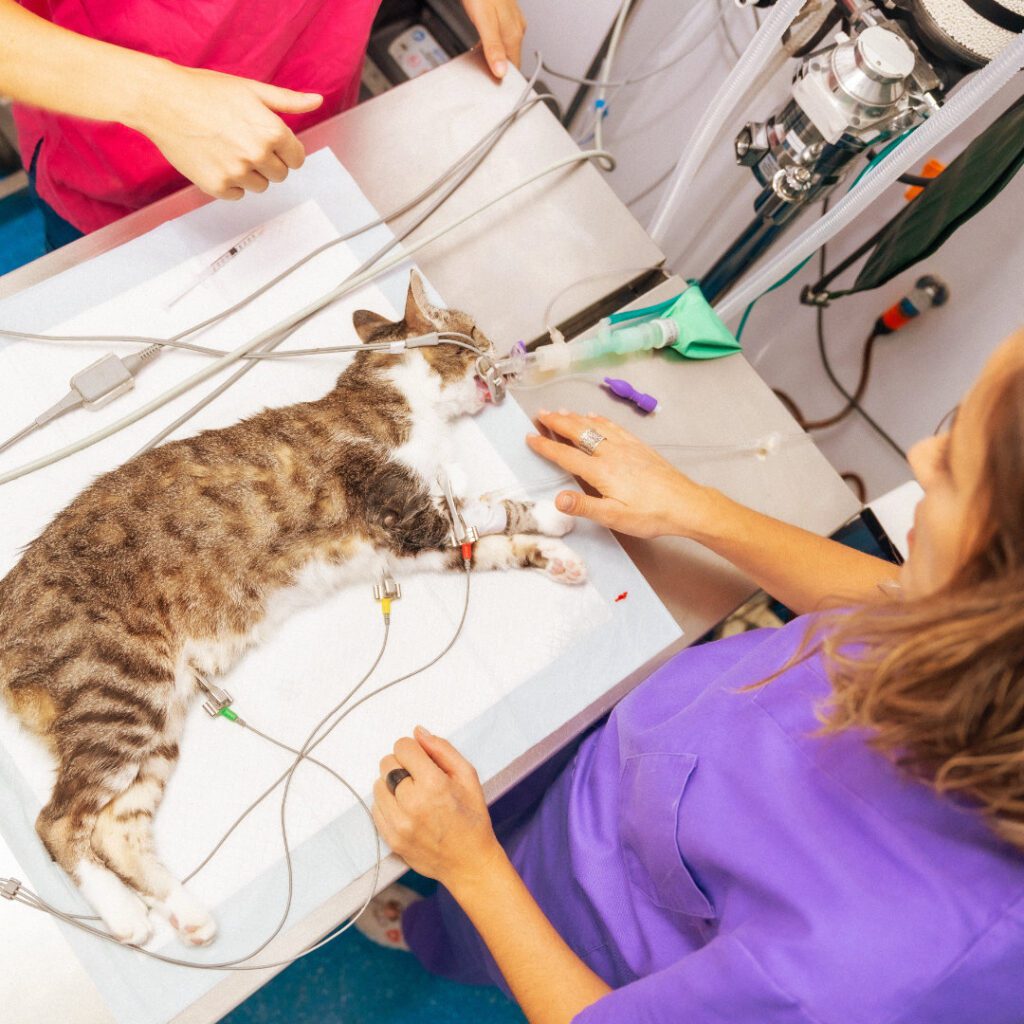
Local Anaesthetics in Veterinary Practice: A Practical Guide for Veterinary Students and New Graduates
Local anaesthetics are some of the most valuable and underused tools in veterinary medicine.
In this practical webinar, veterinary anaesthesia resident Dr Charlie Makepeace provides a clinically focused introduction to local anaesthetics, covering everything from basic pharmacology and toxicity to common nerve blocks and epidural techniques used in everyday practice

Talk to a specialist
Chris Ellerker
Divisional Director – Veterinary Division
I have over 12 years of recruitment experience, working my way up from Candidate Resourcer, Recruitment Consultant, Business Manager, to Divisional Director. I manage/run our Dentistry and Locum Vet teams here at Prospect Health. I thoroughly enjoy finding candidates a rewarding position that meets their expectations and supporting them through the process of registration/compliance (the fun bit), as well as throughout their placement/booking…
November 10, 2026 | Vet Student | Veterinary