

Access our Online Veterinary CPD learning portal for on-demand access to all our clinical and educational veterinary webinars.
June 3, 2026 | Vet Student | Veterinary
Veterinary CPD webinar
Rabies: A Must-Know for Vet Students & New Grads
Rabies may not be something you see often, but as a vet, it’s a disease you need to understand inside out. This recent webinar breaks down the essentials, and why your role in prevention is so important.
To get access to this webinar on Rabies plus our whole back catalogue of clinical and non-clinical you can now request access to our Veterinary CPD learning portal. Complete the form below, and our team will be in touch with your username and password to access the portal:
Find out more about our Learning Portal
Here’s a quick summary of the key takeaways.
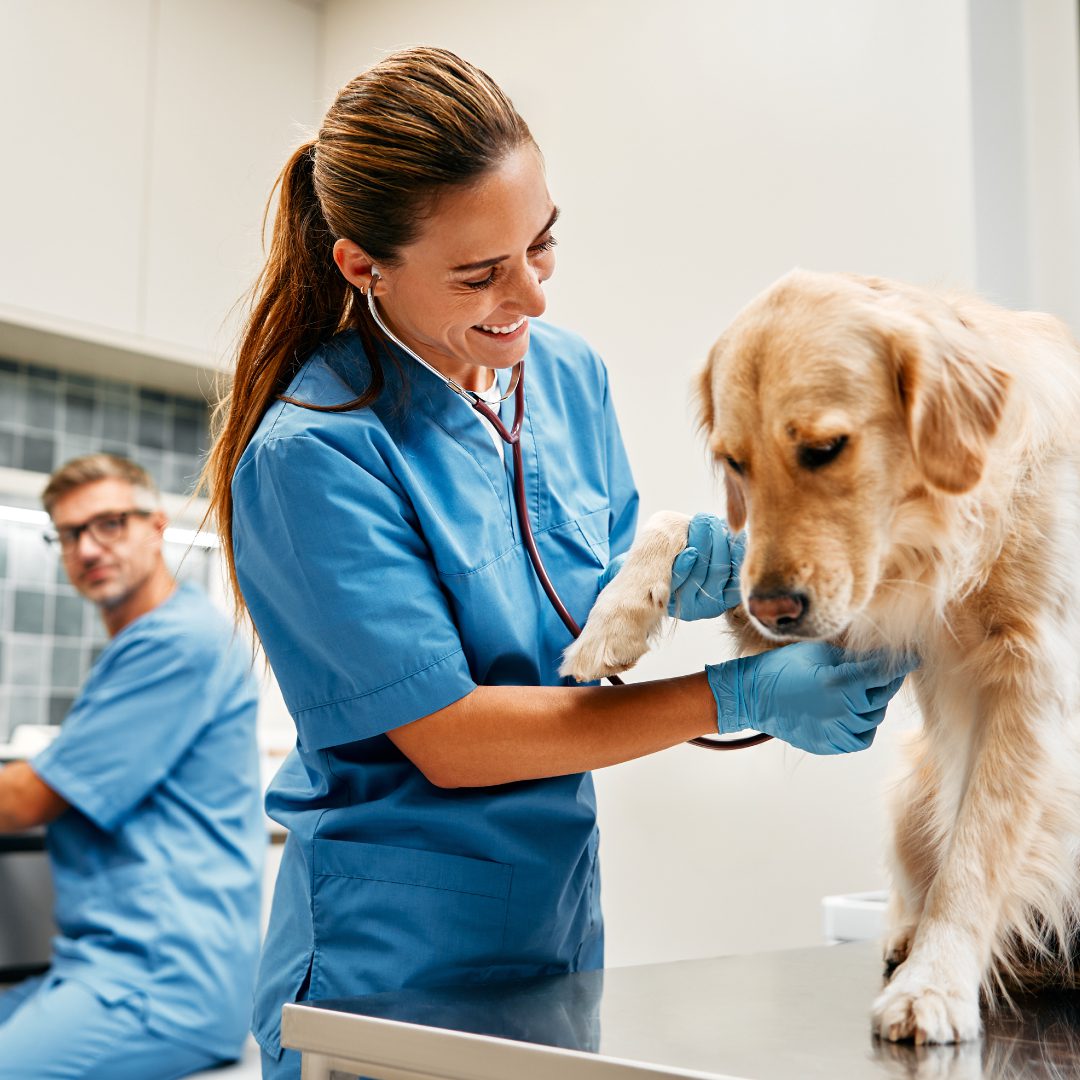
To access all our pre-recorded webinars, you can now request access to our Veterinary CPD learning portal. Complete the form below, and our team will be in touch with your username and password to access the portal:
Access our pre-recorded Veterinary Webinars
Stay at the forefront of veterinary medicine with our comprehensive library of Veterinary CPD webinars.
Why Rabies Still Matters
Rabies is a fatal zoonotic disease with significant global impact, particularly in countries like India where stray dog populations drive transmission.
As vets, we play a central role in the One Health approach, protecting both animal and human health through:
- Vaccination
- Education
- Population control
Prevention Is Everything
Rabies is not considered treatable once clinical signs appear.
That makes prevention critical:
- Routine vaccination
- Dog bite prevention education
- Effective population management
Importantly, the webinar highlights that Trap-Neuter-Release (TNR) programmes are far more effective than culling for controlling stray dog populations.
Recognising Rabies
Rabies is primarily a neurological disease, so think behaviour changes:
- Aggression or withdrawal
- Hyper-salivation
- Difficulty swallowing
- Progressive paralysis
It can present as:
- Furious form (aggressive)
- Dumb form (weakness, paralysis)
Early signs are often vague, making awareness key.
Transmission & Risk
While bites are the main route, rabies can also spread via saliva entering open wounds or scratches.
Common reservoirs include:
- Dogs (globally)
- Bats, foxes, raccoons, skunks
- Cats and even monkeys in some regions
Post-Exposure: Know the Protocol
Management depends on vaccination status:
- Animals: boosters, observation, or quarantine/euthanasia
- Humans: vaccines ± immunoglobulin
One practical tip:
Know where to access rabies vaccines locally, availability can be a real challenge.
Why This Matters Early in Your Career
Rabies isn’t just theory, it’s a real-world risk with serious public health implications.
Understanding protocols, recognising signs, and educating clients are all part of your responsibility from day one.
Watch the Full Webinar
This is just a snapshot. The full session covers real-life cases, global insights, and practical guidance in much more detail.
Download and watch the full webinar in your own time or request access to our CPD portal to build confidence and prepare for practice.
If you’re looking to move roles after graduation or if you’re looking for a role once you graduate our team can help.
You can call us on 01423 813453 or email us at [email protected]
View all our Veterinary Jobs

Next Up: Veterinary CPD webinar
Diabetic Ketoacidosis in Dogs and Cats: Key Learning for Vet Students
Diabetes mellitus is a condition most vet students will come across during training, but its more serious complications can feel much harder to get to grips with.
In our latest webinar, Dr Stephanie Mitze explores diabetic ketoacidosis (DKA) and other forms of unregulated diabetes mellitus in dogs and cats, helping break down a complex topic into practical, clinically relevant themes.

Talk to a specialist
Chris Ellerker
Divisional Director – Dentistry and Locum Vet Divisions
I have over 12 years of recruitment experience, working my way up from Candidate Resourcer, Recruitment Consultant, Business Manager, to Divisional Director. I manage/run our Dentistry and Locum Vet teams here at Prospect Health. I thoroughly enjoy finding candidates a rewarding position that meets their expectations and supporting them through the process of registration/compliance (the fun bit), as well as throughout their placement/booking…
June 3, 2026 | Vet Student | Veterinary