
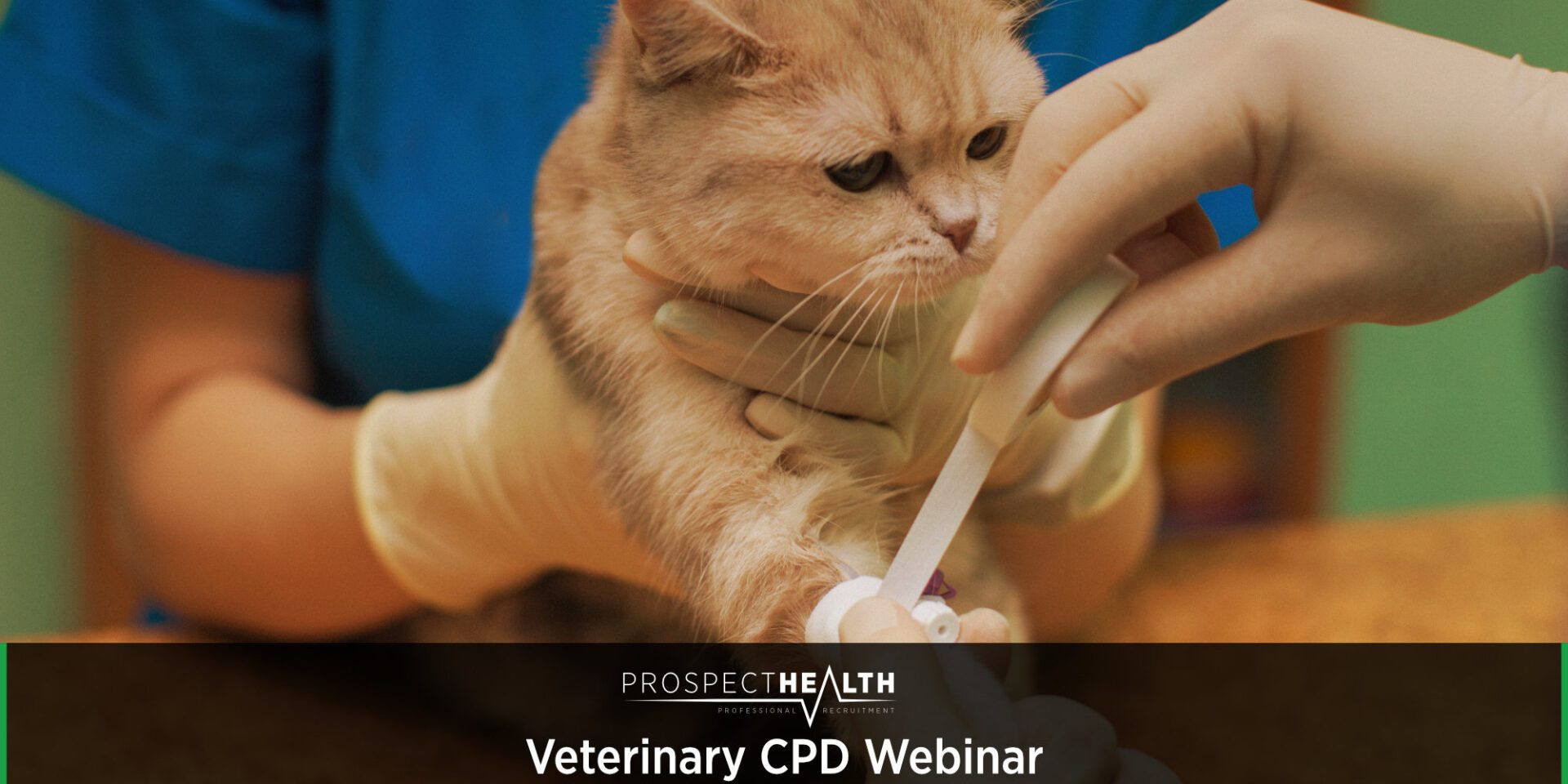
Access our Online Veterinary CPD learning portal for on-demand access to all our clinical and educational veterinary webinars.
November 12, 2025 | Vet Student | Veterinary
Veterinary CPD webinar
Understanding Antimicrobial Medications: Key Takeaways for Veterinary Students
Based on a webinar by Dr. Sarah Peters, DVM – Small Animal Veterinarian, Las Vegas, NV
Antimicrobial use is one of the most important and often misunderstood topics in small animal medicine.
In a recent webinar presented by Dr. Sarah Peters, a Las Vegas-based small animal veterinarian, attendees were guided through the fundamentals of antibacterial and antifungal medications, including practical applications, NAVLE® exam tips, and real-world prescribing considerations.
If you missed the live session, you can register below to access the full recording and watch at your convenience.
To view our full library of pre-recorded webinars, please request access to our Veterinary CPD learning portal. Simply complete the form below, and our team will contact you with your username and password to log in.
Access our pre-recorded Veterinary Webinars
Stay at the forefront of veterinary medicine with our comprehensive library of Veterinary CPD webinars.
Understanding the Basics
Dr. Peters began the session by breaking down some of the core principles that underpin antimicrobial use in veterinary medicine:
- MIC (Minimum Inhibitory Concentration): The lowest concentration of a drug that inhibits bacterial growth in vitro. While not directly predictive of in vivo effectiveness, it provides a valuable benchmark for drug choice.
- Pharmacokinetics vs. Pharmacodynamics:
- Pharmacokinetics describes what the body does to the drug (absorption, distribution, metabolism, excretion).
- Pharmacodynamics describes what the drug does to the body—and the pathogen.
- Aerobes vs. Anaerobes: Aerobes thrive in oxygen-rich environments, while anaerobes prefer the absence of oxygen.
- Time-Dependent vs. Concentration-Dependent Antibiotics:
- Time-dependent drugs rely on how long they stay above the MIC.
- Concentration-dependent drugs rely on achieving high peak concentrations for efficacy.
Beta-Lactams: The Foundation of Antibiotic Therapy
Dr. Peters reviewed one of the largest and most commonly used antibiotic classes in veterinary practice—beta-lactams, which include:
- Penicillins (e.g., amoxicillin, ampicillin, clavulanic acid combinations)
- Cephalosporins (e.g., cephalexin, cefazolin, cefpodoxime, cefovecin/Convenia)
- Carbapenems (reserved for highly resistant infections)
These drugs are bactericidal and time-dependent, making duration of exposure key to success. However, they are ineffective against organisms without a cell wall (like Mycoplasma).
Dr. Peters highlighted the importance of barrier penetration when selecting a drug—for example, only certain antibiotics reach therapeutic levels in the prostate, eye, or CNS.
Beyond Beta-Lactams: Key Antibiotic Classes to Know
Dr. Peters guided attendees through several other essential antibiotic groups:
Aminoglycosides
- Examples: Gentamicin, Amikacin, Neomycin
- Bactericidal, concentration-dependent, often used topically or via injection.
- Caution: Risk of nephrotoxicity—avoid in patients with renal compromise.
Fluoroquinolones
- Examples: Enrofloxacin (Baytril), Marbofloxacin, Pradofloxacin
- Excellent tissue penetration (including CNS and prostate).
- Avoid in young animals due to potential cartilage damage, and in cats, Enrofloxacin can cause retinal degeneration.
Sulfonamides (TMS)
- Known for excellent tissue penetration and broad activity.
- NAVLE Tip: Can cause permanent KCS (dry eye).
Tetracyclines
- Doxycycline is a mainstay for tick-borne and respiratory diseases.
- Adverse effects: GI upset, enamel discoloration in young animals, and risk of esophageal strictures in cats if not followed by water.
Macrolides & Lincosamides
- Azithromycin, Tylosin, Clindamycin are useful for respiratory infections, Bartonella, and anaerobic abscesses.
- Clindamycin (Antirobe) is particularly valuable for deep oral infections and abscesses.
Antifungals: Navigating Systemic and Topical Options
Dr. Peters also covered common systemic fungal diseases—including blastomycosis, histoplasmosis, cryptococcosis, coccidioidomycosis, and aspergillosis—and the major antifungal drug classes used to treat them:
- Polyenes (Amphotericin B): Highly effective but nephrotoxic; reserved for severe systemic infections.
- Azoles (Ketoconazole, Fluconazole, Itraconazole, Miconazole): Widely used; inhibit ergosterol synthesis.
- Fluconazole penetrates the CNS and is ideal for fungal meningitis.
- Ketoconazole can cause endocrine and hepatic side effects.
- Terbinafine (Lamisil): Excellent for dermatophyte infections, often used topically or as a cost-effective oral option.
- Clotrimazole: Used topically for nasal aspergillosis—effective but expensive and must be administered carefully.
Practical Takeaways for Clinical and Exam Success
Dr. Peters closed the webinar with advice for both clinical decision-making and NAVLE® preparation:
- Always consider site penetration and patient immune status when selecting an antimicrobial.
- Use tools like Plumb’s Veterinary Drug Handbook or VIN for dosing, side effects, and interactions.
- Antibiotic stewardship matters—reserve “big gun” antibiotics for resistant infections.
- Expect NAVLE® questions about mechanism of action, adverse effects, and drug class patterns (e.g., “-floxacin” for fluoroquinolones).
Watch the Full Webinar
This blog offers just a snapshot of Dr. Sarah Peters’ detailed session on antimicrobial use.

If you’re looking to move roles after graduation or if you’re looking for a role once you graduate our team can help
You can call us on 01423 813453 or email us at [email protected]
View all our Veterinary Jobs

Next Up: Veterinary CPD webinar
Feline Cardiology Basics: Key Clinical Takeaways for Veterinary Students
Cardiology in cats can be challenging, they’re subtle patients, often showing vague or inconsistent signs of disease.
In this webinar, Dr. Catherine Georges, a newly boarded cardiologist, shared essential concepts and clinical insights on feline cardiology to help students understand how to approach cardiac disease in cats.


Talk to a specialist
Chris Ellerker
Divisional Director – Dentistry and Locum Vet Divisions
I have over 12 years of recruitment experience, working my way up from Candidate Resourcer, Recruitment Consultant, Business Manager, to Divisional Director. I manage/run our Dentistry and Locum Vet teams here at Prospect Health. I thoroughly enjoy finding candidates a rewarding position that meets their expectations and supporting them through the process of registration/compliance (the fun bit), as well as throughout their placement/booking…
November 12, 2025 | Vet Student | Veterinary