
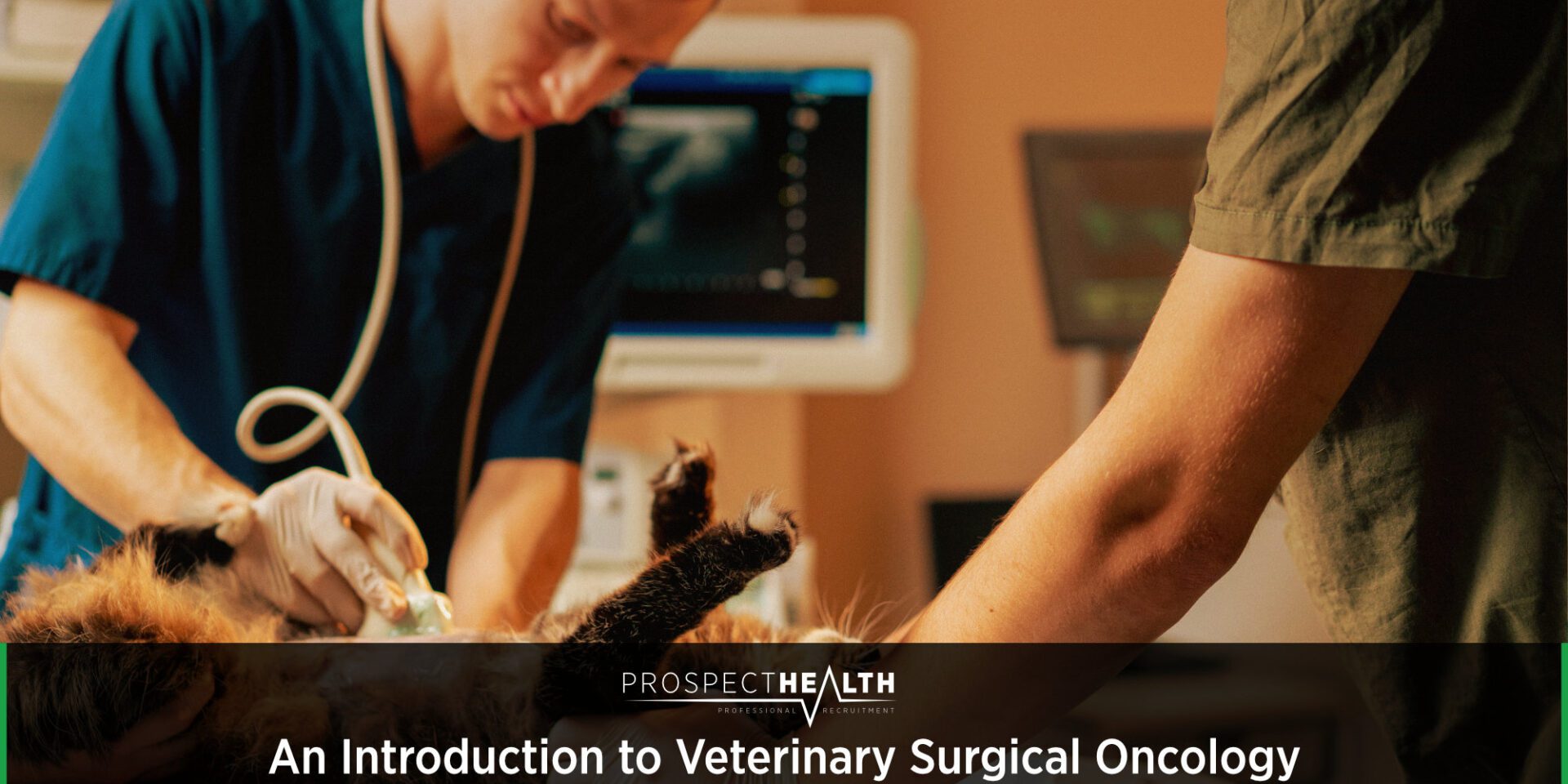
Access our Online Veterinary CPD learning portal for on-demand access to all our clinical and educational veterinary webinars.
December 10, 2025 | Vet Student | Veterinary
Veterinary CPD webinar
An Introduction to Veterinary Surgical Oncology
by Dr Floryne Buishand, Senior Lecturer in Small Animal Soft Tissue Surgery, RVC
Veterinary surgical oncology is an exciting and evolving subspecialty at the intersection of surgery, pathology, and oncology.
It focuses on the diagnosis, staging, and surgical management of cancer in animals, often requiring close collaboration between surgeons, medical oncologists, radiation oncologists, pathologists, and diagnostic imagers.
Dr Floryne Buishand delivered an insightful webinar on surgical oncology for us.
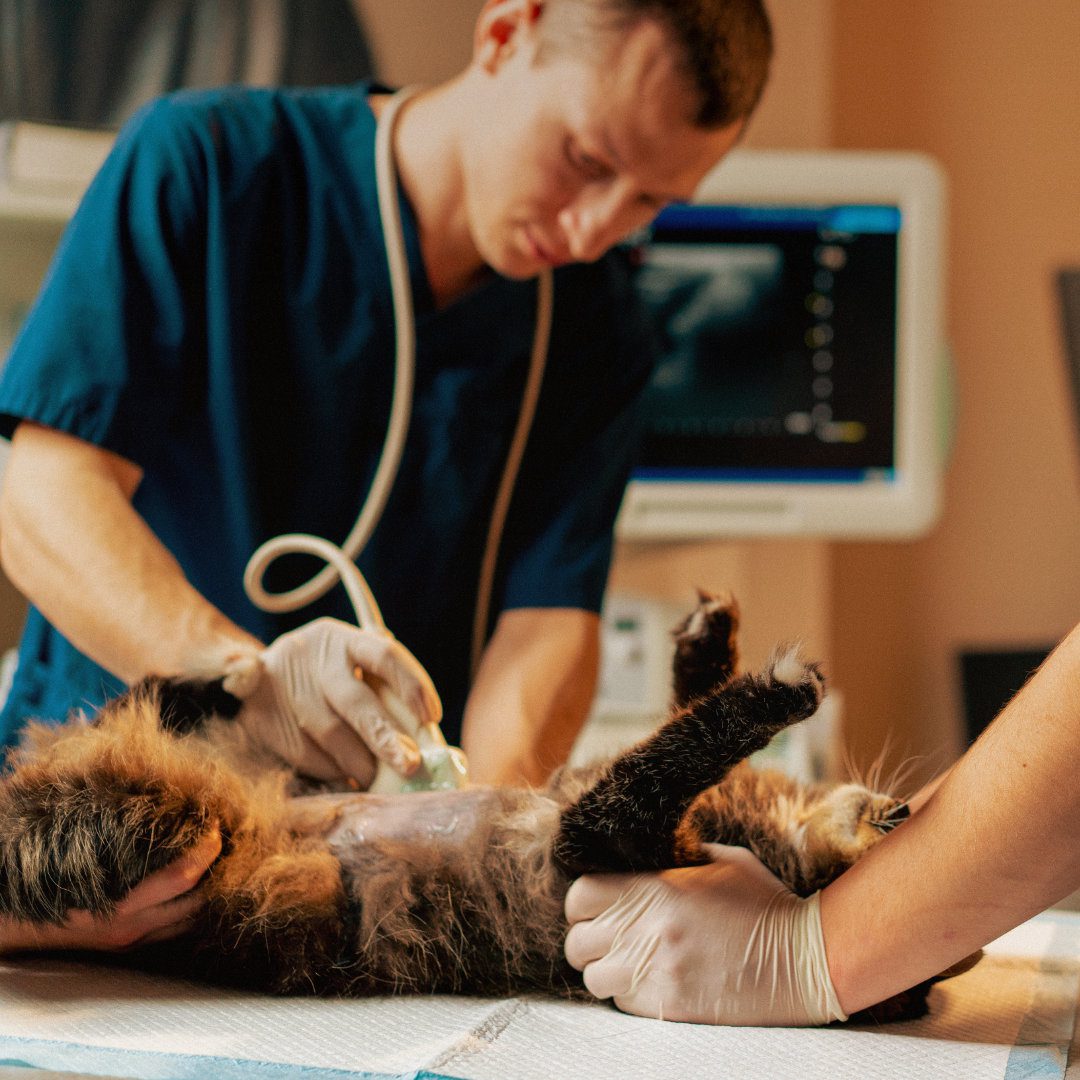
To access all our pre-recorded webinars, you can now request access to our Veterinary CPD learning portal. Complete the form below, and our team will be in touch with your username and password to access the portal:
Access our pre-recorded Veterinary Webinars
Stay at the forefront of veterinary medicine with our comprehensive library of Veterinary CPD webinars.
This blog post summarises the key takeaways from her session, emphasising clinically relevant signs, diagnostics, and management principles.
As Dr Floryne Buishand explains, success in surgical oncology comes down to answering three critical questions for every case:
- What is it? (Tumour type)
- Where is it? (Tumour location and extent)
- How bad is it? (Tumour grade and stage)
The answers to these questions form the foundation of any effective treatment plan.
1. What Is It? Establishing a Diagnosis
Understanding the tumour type is essential before initiating any treatment. Removing a mass without knowing its nature rarely yields a good outcome and can complicate future therapy.
Diagnostic approaches include:
- Cytology: Quick, minimally invasive, and often available in general practice. Recognising basic cell patterns (round cell, epithelial, mesenchymal) and malignancy criteria is invaluable for first-line assessment.
- Histopathology: Necessary when architectural context is needed or cytology is inconclusive. Biopsy options include:
- Incisional biopsy (sampling part of the mass)
- Excisional biopsy (removing the entire mass) appropriate only when small size or location means margins won’t compromise future surgery.
- Presumptive diagnosis: Occasionally appropriate when biopsy won’t alter the treatment plan (e.g., splenic masses requiring splenectomy, isolated lung masses).
Biopsy planning is critical. The biopsy tract must be positioned so it can be removed during definitive surgery, minimising contamination and preserving surgical planes. Poorly placed or excessive biopsies can turn a curable tumour into one that requires more extensive surgery or adjuvant therapy.
2. Where Is It? Tumour Staging
Once you know the tumour type, the next step is determining its extent and whether metastasis has occurred. Tumour staging typically follows the WHO TNM system:
- T — primary tumour size and local invasion
- N — lymph node involvement
- M — distant metastasis
Common staging tools include:
- Thoracic radiographs or CT scans for pulmonary metastasis
- Abdominal ultrasound or CT for abdominal involvement
- Advanced imaging such as PET-CT or scintigraphy for detecting metabolic activity or bone metastases
At the RVC, sentinel lymph node mapping is increasingly used to identify the true draining lymph node(s) rather than relying solely on anatomical assumptions. Using contrast-enhanced CT or intraoperative fluorescent dyes (such as indocyanine green), this technique improves accuracy in detecting micrometastasis while minimising patient morbidity.
3. How Bad Is It? — Tumour Grade and Stage
Tumour grade describes histological aggressiveness (usually graded 1–3), while stage reflects clinical progression and spread. Both inform prognosis and treatment planning.
Grading systems vary between tumour types, for example, soft tissue sarcomas use different criteria from mast cell tumours. It’s important to remember that grading is somewhat subjective and may differ between an incisional biopsy and full excision, as more tissue provides a more complete assessment.
Treatment Planning: Surgery and Beyond
Armed with answers to the three key questions, the veterinary team can outline options to the owner. Treatment may involve:
- Curative surgery (wide or radical excision)
- Palliative surgery (reducing tumour burden or alleviating discomfort)
- Adjuvant therapy (chemotherapy or radiotherapy after surgery)
- Neoadjuvant therapy (before surgery to shrink the tumour)
- No further treatment, where appropriate for patient welfare or owner circumstances
Chemotherapy
- Neoadjuvant chemotherapy may reduce tumour size and guide drug selection based on observed response, though delaying surgery carries risks.
- Intraoperative electrochemotherapy applies electric pulses to enhance local drug uptake but can delay wound healing.
- Adjuvant chemotherapy targets microscopic disease postoperatively, once healing is complete.
Radiotherapy
- Neoadjuvant radiotherapy can downsize tumours but increases the risk of delayed healing.
- Intraoperative radiotherapy delivers focused, high-dose treatment directly to the tumour bed but requires specialist facilities.
- Adjuvant radiotherapy is the most common, addressing residual microscopic disease after excision.
Surgical Principles
The “dose” of surgery is defined by the intended margins:
| Type of Excision | Description | Example Use |
|---|---|---|
|
Intralesional |
Tumour debulking, leaving some disease behind |
Palliative intent, benign infiltrative tumours |
|
Marginal |
Minimal margins, just outside tumour capsule |
Sites where wide margins are not feasible (e.g. brain, anal sac) |
|
Wide |
2–3 cm lateral and one fascial plane deep |
Most malignant skin/subcutaneous tumours |
|
Radical |
Removal of an entire anatomical segment |
Limb amputation, thoracic wall resection |
Special note: Injection-site sarcomas in cats require 5 cm lateral and two fascial planes deep margins due to their extreme local invasiveness.
Proper preoperative planning, including mapping of fascial planes and marking margins, is essential. Avoid removing tumours “as much as possible” without diagnosis, this can complicate or preclude curative surgery.
Reconstruction, Flaps, and Drains
Large resections often require skin flaps to achieve tension-free closure. Flap design should be planned before surgery, with clear margin marking and adequate undermining.
Drain use in oncology is controversial:
- Penrose drains are contraindicated due to tumour seeding risk.
- Closed suction drains may be used when necessary, exiting adjacent to the incision rather than creating new tissue tracts.
Inking and Communication with Pathology
After tumour removal, ink the margins before submission to pathology to maintain orientation. Effective communication with pathologists ensures accurate reporting and informs any need for adjuvant therapy.
Further Learning
For those interested in deepening their understanding:
- Veterinary Society of Surgical Oncology (VSSO) — comprehensive online tumour guides and staging recommendations.
- Key textbooks:
- Veterinary Surgical Oncology (ed. Vail et al.)
- Small Animal Wound Management and Reconstructive Surgery Atlas
- Journal: Veterinary and Comparative Oncology, a leading resource for current research and clinical updates.
Final Thoughts
Veterinary surgical oncology exemplifies the multidisciplinary “One Medicine” approach, combining clinical care, diagnostics, and research to improve outcomes for both animal and human patients. As Dr Buishand highlights, a thoughtful, evidence-based approach to “what is it, where is it, and how bad is it” remains the cornerstone of successful cancer surgery and a vital skill set for every veterinary clinician.
If you’re looking to move roles after graduation or if you’re looking for a role once you graduate our team can help.
You can call us on 01423 813453 or email us at [email protected]
View all our Veterinary Jobs

Next Up: Veterinary CPD webinar
Large Animal Cardiology Basics: Key Insights in Large Animal Cardiology
Large animal cardiology is a fascinating yet often underrepresented area of veterinary medicine.
In a recent webinar, Dr. Catherine Georges, a board-certified veterinary cardiologist fresh from her residency at the University of Florida, shared a concise, practical overview of important cardiovascular conditions in horses, cattle, camelids, goats, sheep, and pigs, all relevant for both clinical practice and NAVLE® preparation.

Talk to a specialist
Chris Ellerker
Divisional Director – Dentistry and Locum Vet Divisions
I have over 12 years of recruitment experience, working my way up from Candidate Resourcer, Recruitment Consultant, Business Manager, to Divisional Director. I manage/run our Dentistry and Locum Vet teams here at Prospect Health. I thoroughly enjoy finding candidates a rewarding position that meets their expectations and supporting them through the process of registration/compliance (the fun bit), as well as throughout their placement/booking…
December 10, 2025 | Vet Student | Veterinary